Hallstatt & Iron Age
The Hallstatt C period (c. 800–600 B.C.) marks the transition from the Bronze Age to the Iron Age across Central Europe. Communities began forging tools and weapons in iron, adapting long‑established bronze forms into more challenging iron constructions. This period saw socketed axes, chisels and flat axes used side by side, reflecting both innovation and continuity. Surviving pieces from this era offer a rare insight into early ironworking traditions and the development of European metalcraft.
CLICK ON THUMBNAILS TO ENLARGE
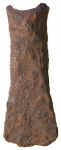
WHH 4081 — Hallstatt Socketed Iron Axe
A large iron socketed axe head with deeply curved collar, forged in one piece with a seam running down the back. Circa 800–600 B.C., Austria. 135 mm long.
Very good condition.
£185.00
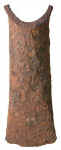
WHH 4083 — Hallstatt Socketed Iron Axe
A medium‑sized iron socketed axe head with deeply curved collar, forged in one piece with a seam running down the back. Circa 800–600 B.C., Austria. 105 mm long.
Good condition.
£135.00
For related early metalwork, see our Bronze Age Metalwork and Dark Age, Viking & Anglo‑Saxon Antiquities.
Hallstatt and Early Iron Age artefacts are increasingly scarce, especially complete iron tools. New additions are listed here as they become available.